Image
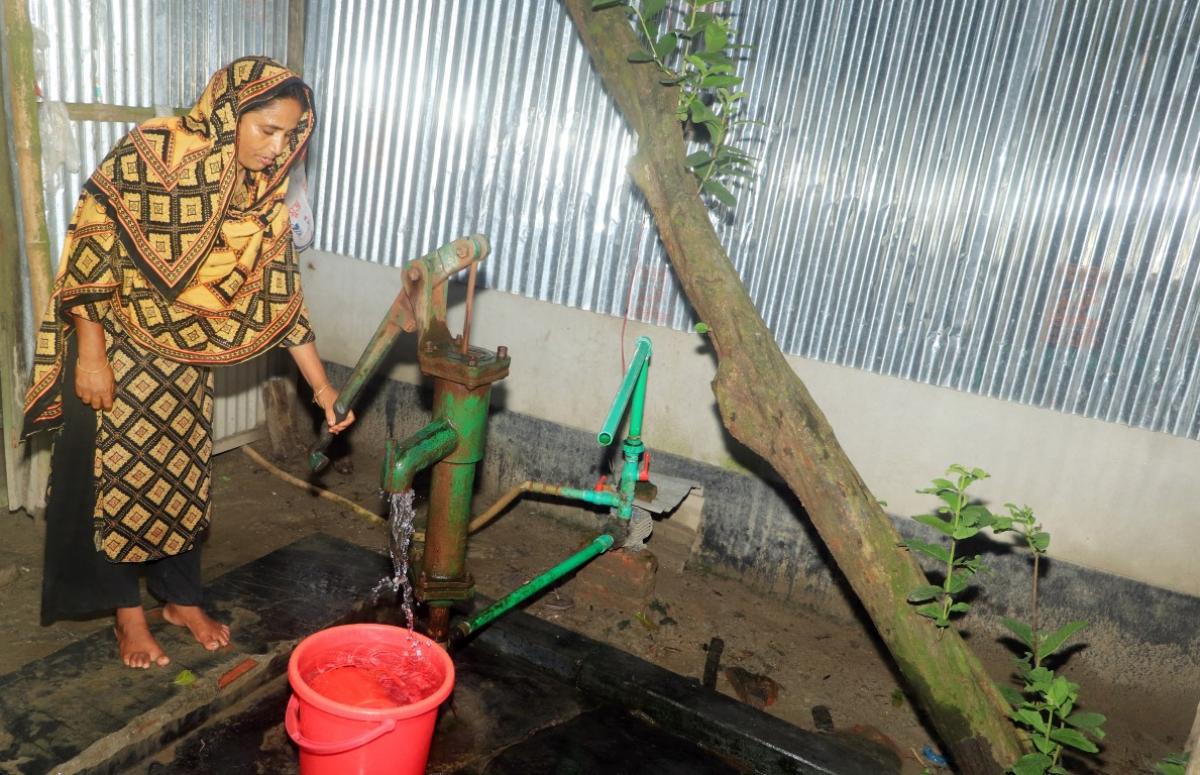

The businesses supported by FIT collectively serve 104,699 clients. Of these, 5,834 people have directly benefited from FIT financing, 46% of whom are women. Among these direct beneficiaries, 93% live in rural areas or belong to minority groups.
The solutions offered by businesses in the portfolio address a wide range of needs. They enable young people to finance their higher education, schools serving low-income families to improve their infrastructure, and households, small businesses and schools to gain access to solar energy.
As an impact investor, FIT closely monitors the social and environmental impact generated by the businesses it finances. Through its investments, FIT has contributed to the creation or preservation of 1,732 jobs and supported the adoption of more resilient agricultural practices. The activities it has financed have also helped avoid or sequester 642 tonnes of CO₂. These figures only cover businesses for which the relevant indicators apply and are reported.
The innovations financed by FIT stand out for their ability to make basic services accessible to populations and communities that are difficult for traditional financial services to reach.
In 2025, FIT became the first international investor in APDS (Association for Peoples Development Stream), a microfinance institution serving highly vulnerable communities that had previously been largely excluded from traditional microfinance and were primarily dependent on humanitarian assistance.
With a guarantee from FIT, APDS was able to mobilise local financing to provide loans to farmers and fishermen, enabling them to invest in income-generating activities.
FIT's contribution goes beyond the financing it provides. Its involvement can also act as a benchmark of trust for other investors. By enabling businesses to develop their activities and build a track record of financing, FIT helps reduce perceived risk and makes it easier to attract additional capital.
Six of the ten businesses supported by FIT have mobilised almost €20 million in additional financing.
FIT's added value not only lies in the amount of capital it invests, but also in the terms it offers. Its financing is not only flexible and patient but is also tailored to the business model and specific needs of each investee.
In Rwanda, for example, FIT provided Inkunga Finance with a seven-year subordinated loan in 2025. This enabled the microfinance institution to develop tailored agroforestry loans that take into account the time required for trees to grow. Inkunga can therefore finance activities that are rarely covered by mainstream financial products.
The donations FIT receives enable it to finance businesses that mainstream investors may consider too risky. By supporting these businesses, FIT helps them demonstrate their potential and gradually attract additional capital. Once the financing is repaid, the funds can be invested in new businesses, extending the impact of the initially mobilized FIT funds.
Encouraged by these initial results, FIT is now seeking support from philanthropic actors to strengthen its catalytic role and its impact on vulnerable populations.
Learn more (in French) : Rapport de gestion et d'impact du FIT
¹ Only 17% of SDG targets are currently on track, while developing countries face an annual SDG financing gap of US$4 trillion. Source: Impact Europe, July 2025