

A coffee producer attracts a new buyer thanks to upgraded certification
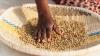
Tropic, a Rwandan coffee producer, aggregator and exporter, had to upgrade the certification of its farmers and cooperative network to the new Rainforest Alliance (RFA) standards. The challenge was to do it quickly and cost-effectively to keep the business stable. The solution to the challenge came through a project co-funded by SSNUP in support of Alterfin. The implemented model attracted a new buyer for its certified coffee and Tropic’s competitors replicated its capacity-building and certification approach, showing the model's benefits.
The company upgraded 661 coffee smallholder farmers to RFA certification, building on previous certification training and group structures. The prior experience significantly eased the transition: where farmers had already been organised into groups, exposed to training, and introduced to documentation and compliance practices, the groundwork for higher-level certification was already largely in place. This was what allowed the process to move quickly and cost-effectively.
In the end, processing, milling, packing, warehousing and trading sites were registered, field staff and the Management Information System team were trained on RFA certification and equipped with inspection techniques and RFA-compliant documentation was developed. With more certified coffee farmers, Tropic paid a premium of 150 euros per farmer
These results not only attracted a new buyer for certified coffee, but also of other aggregators in the sector that copied the capacity-building and certification approach, proving that a well-designed certification initiative can have an impact beyond its original scope. When an organisation (or farmers) visibly benefits from adopting sustainable practices – through higher prices, new market access and stronger buyer relationships – competitors and peers are incentivised to replicate the approach, leading to a broader shift in industry norms and practices.